2025 Dallas Rental Market Trends: What Property Owners Need to Know
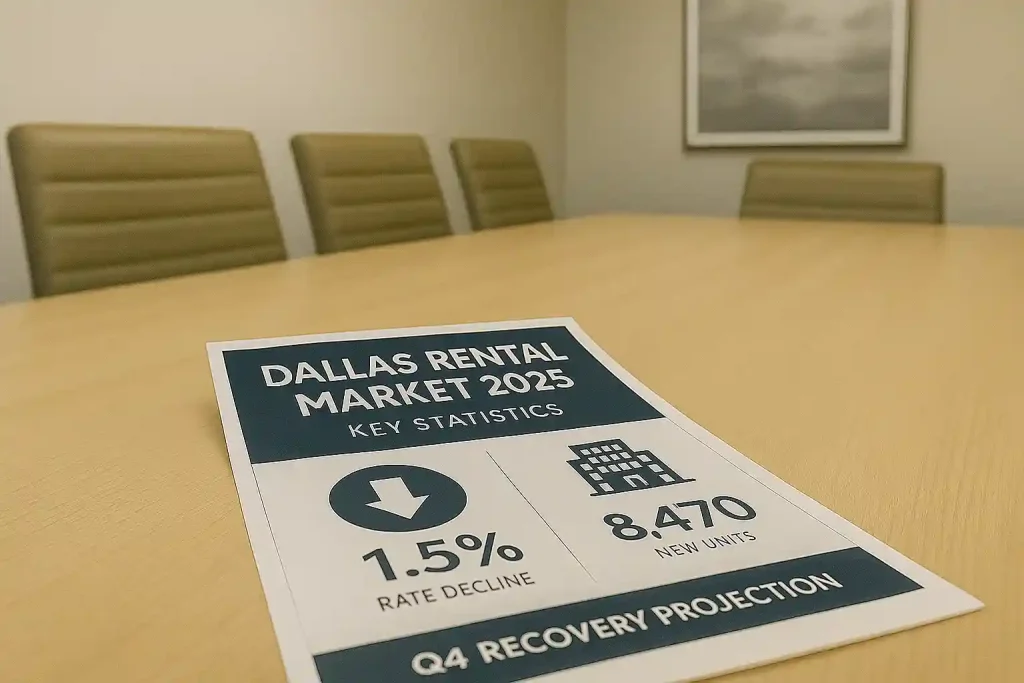
Dallas rental market trends in 2025 reveal a compelling story of opportunity amid transition, as one of America’s fastest-growing metropolitan areas navigates evolving supply dynamics and shifting tenant preferences. The current data shows rental rates have experienced a slight decline of approximately 1.5% year-over-year, bringing the median rent for apartments to around $1,419 per month as of June 2025. However, these patterns reflect temporary market adjustments rather than fundamental weakness, as the DFW metroplex continues adding over 90,000 new residents annually and maintains its position as a premier destination for corporate relocations.
Understanding these evolving patterns is crucial for property owners and investors navigating 2025’s unique landscape. While current data shows some softening due to increased supply, particularly in high-end properties, the underlying fundamentals supporting long-term growth remain exceptionally strong. These market shifts present both challenges and opportunities for those who stay informed and strategically positioned.
Current Market Snapshot: Where Dallas Stands Today
The latest rental data demonstrates the region’s resilience despite temporary headwinds. Average rent prices range from $1,454 for a one-bedroom apartment to $2,039 for a two-bedroom unit, positioning Dallas competitively within the national market. At $1,419 per month for the average rental, Dallas rent prices remain 13% lower than the national average of $1,628, providing an attractive value proposition for both tenants and investors.
Current pricing shows significant geographic diversity across the metroplex. While affordable neighborhoods like Vickery Meadows offer one-bedroom apartments averaging $951, premium areas such as Preston Hollow command $3,436 for similar units. This range allows property owners to target different tenant demographics and investment strategies based on prevailing market conditions.
Vacancy rates present a mixed picture, with current levels around 5% in many submarkets, though this varies significantly by location and property type. The rental sector is expected to remain strong through 2026, with limited affordable homeownership options and high interest rates keeping more households in the rental market, supporting continued demand.
Supply and Demand Dynamics Reshaping the Market
Recent analysis reveals that the current softening primarily stems from substantial supply additions, particularly in the high-end segment. This trend is creating increased vacancies and prompting landlords to offer concessions to attract tenants. However, market research suggests this oversupply situation appears temporary and concentrated in specific segments.
Dallas-Fort Worth’s rental home construction rate ranks 5th highest in the nation, with the metro area expected to build 8,470 new single-family homes for rent in 2025. These construction patterns are reshaping the landscape, with Fort Worth alone expected to complete 1,816 new rental units, while McKinney will add 1,293 units, compared to just 64 new rentals planned for Dallas proper.

The build-to-rent movement represents one of the most significant developments, particularly strong in suburban markets. Target demographics – Millennials and Gen Z – are increasingly interested in new single-family home rentals to avoid high property taxes while managing other debts like student loans. This demographic shift toward suburban living is creating new opportunities within the evolving marketplace.
Construction activity concentration in northern suburban areas reflects movement toward suburban expansion, with the Frisco/Prosper area maintaining steady construction starts despite broader market uncertainty.
Neighborhood Performance: Where to Focus Your Investment
Performance varies dramatically by neighborhood, creating distinct opportunities for strategic investors. The most affordable rental markets continue to offer strong cash flow potential, with several emerging areas showing promise for appreciation based on current dynamics.
High-performing rental neighborhoods align with positive patterns in established suburbs like Plano, McKinney, and Frisco, where submarkets are expected to outperform due to accessibility, lifestyle amenities, and continued redevelopment. These areas benefit from excellent school districts and proximity to major employment centers, supporting sustainable growth.
Urban neighborhoods present different dynamics within the current environment. Preston Hollow and Uptown are likely to see steadier, high-value activity driven by luxury demand and low turnover. Meanwhile, transitional neighborhoods like Oak Cliff and East Dallas offer value-add opportunities for investors willing to capitalize on emerging opportunities.
The Fort Worth market deserves special attention, as home buyers have more properties to choose from due to inventory growth, creating opportunities for buy-and-hold investors to acquire properties at more favorable prices. Fort Worth’s distinct character and lower entry costs make it attractive for first-time rental property investors seeking to benefit from regional growth patterns.
Emerging suburban markets around Lake Ray Hubbard, Grapevine Lake, and Eagle Mountain Lake reflect movement toward lifestyle amenities. Lakefront properties and communities near these areas offer new investment opportunities driven by increased interest from renters seeking leisure and convenience.
Rental Rate Projections: What to Expect Through 2025
Property owners planning their 2025 strategies should prepare for evolving conditions showing gradual recovery. While rent growth is expected to remain negative through the first half of 2025 as the market absorbs surplus inventory, Dallas rental market trends indicate conditions will improve in the latter half of the year.
The rental rate recovery timeline appears encouraging for patient investors. By the fourth quarter of 2025, rents across all property segments in Dallas-Fort Worth are forecasted to rise 1.5% year-over-year, marking the return to positive rent growth for the first time in over two years according to current projections.
Different property types will experience varying recovery patterns within these evolving conditions. Average one-bedroom rents, currently at $1,585/month, are projected to rise to between $1,616 and $1,648/month, while two-bedroom rents may increase from $1,935 to approximately $1,970–$2,012/month based on forecasted developments.
Single-family rental homes may outperform apartment complexes during this recovery period, as experts analyzing market data predict rents will continue rising through the end of the year, potentially rebounding to over 3% growth in 2025.
Legal and Regulatory Landscape: Texas Advantages
Texas’s landlord-friendly legal environment continues supporting favorable conditions for property owners. Texas has prohibited rent control ordinances since the 1990s, giving landlords free rein to raise rents without caps or limits under state law. This regulatory stability provides predictable operating conditions supporting positive investment outcomes.
Property owners should understand their rights and responsibilities within the current framework. While there is no statewide law limiting rent increases when leases are renewed, landlords cannot raise rent to punish tenants for exercising legal rights. For rent increases of 10% or more within a year, Texas law requires 75-day written notice, regardless of local conditions.

Late fee regulations provide clarity for property management operations amid changing market conditions. Texas law allows landlords to collect “reasonable” late fees if any portion of rent remains unpaid more than two full days after it was due, with maximum late fees of 10% for buildings with 4 or fewer units and 12% for buildings with 5 or more units.
Economic Drivers Supporting Rental Demand
The Dallas economy’s strength provides the foundation for sustained positive performance. The Dallas-Fort Worth metropolitan area had a 6.5% job growth rate in February 2024, higher than the national average of 1.7%, driven by gains in manufacturing, financial activities, and leisure and hospitality. This robust employment growth directly translates to housing demand supporting market stability.
Corporate relocations continue driving population growth and rental demand, reinforcing positive long-term outlook. Major corporations are increasingly choosing Dallas for their headquarters or regional offices, with significant investments from financial giants like Wells Fargo and Goldman Sachs reinforcing the region’s status as a global finance hub and supporting sustained growth.
The technology sector’s expansion adds another layer supporting market fundamentals. The region is expected to see long-term, broad-based growth across corporate activity, tech startups, and professional services, expanding the employment base by 5% over the next five years. This diversified economic growth reduces rental market volatility compared to single-industry markets.
Infrastructure investments will support long-term stability and growth. Fort Worth is experiencing transformative investments, including multibillion-dollar modernization projects at DFW International Airport and the Dallas Convention Center, enhancing the region’s appeal to both businesses and residents.
Tenant Demographics and Preferences
Understanding evolving tenant preferences is crucial for property owners seeking to capitalize on current opportunities. Most rental residents in Dallas are in the 25-34 age group (35%), followed by those in the 35-44 age group (20%), indicating a primarily millennial and young professional tenant base driving demand patterns.
Family demographics present opportunities for single-family rental properties within the current environment. 45% of all Dallas rentals are family households, with 27% of rental homes including children under age 18. This substantial family presence supports demand for larger rental properties with yard space and access to quality schools, influencing market dynamics.

Education levels among renters indicate strong earning potential supporting premium pricing strategies. 36% of renters hold bachelor’s degrees or higher, suggesting a tenant base capable of paying premium rents for quality properties and amenities.
Transportation preferences are shifting within the current landscape, with 53% of Dallas renters having 1 vehicle available per household, 27% having 2 vehicles, and 13% having no vehicle. This suggests opportunities for properties near public transit or in walkable neighborhoods, as well as continued demand for suburban properties with parking amenities.
Strategic Opportunities for Property Owners
Several strategic opportunities are emerging within current market conditions for savvy property owners. The temporary rent softening creates acquisition opportunities for investors with capital, as home buyers have more properties to choose from in 2025, along with more negotiating leverage influenced by present circumstances.
Value-add opportunities abound in transitional neighborhoods experiencing redevelopment. Properties requiring moderate improvements can capture rent premiums as these areas gentrify. Focus on energy-efficient upgrades and modern amenities that appeal to environmentally conscious younger tenants driving demand patterns.
Build-to-rent communities represent a growing opportunity within the evolving landscape. The second and third largest single-family rental communities currently under construction in the Dallas metro are in Princeton and Melissa, adding hundreds of units to suburban markets. Investors should consider partnerships with builders or direct development in these emerging suburban corridors benefiting from regional growth.
Technology integration can differentiate properties in competitive conditions. Modern tenants expect smart home features, high-speed internet capabilities, and digital payment systems. Properties offering these amenities can command premium rents and experience lower vacancy rates within the evolving marketplace.
Challenges to Navigate in 2025
Property owners must also prepare for potential challenges within current market dynamics. The oversupply situation, particularly in high-end apartments, will continue pressuring rents in certain segments through the first half of 2025. 36,000 units remain under construction, with half slated for delivery in 2025, projected to impact performance through modest occupancy rate contractions.
Interest rate uncertainty affects both property financing costs and tenant housing decisions. Higher rates keep some potential homebuyers in the rental market longer, supporting demand, but also increase acquisition and refinancing costs for property owners navigating current conditions.
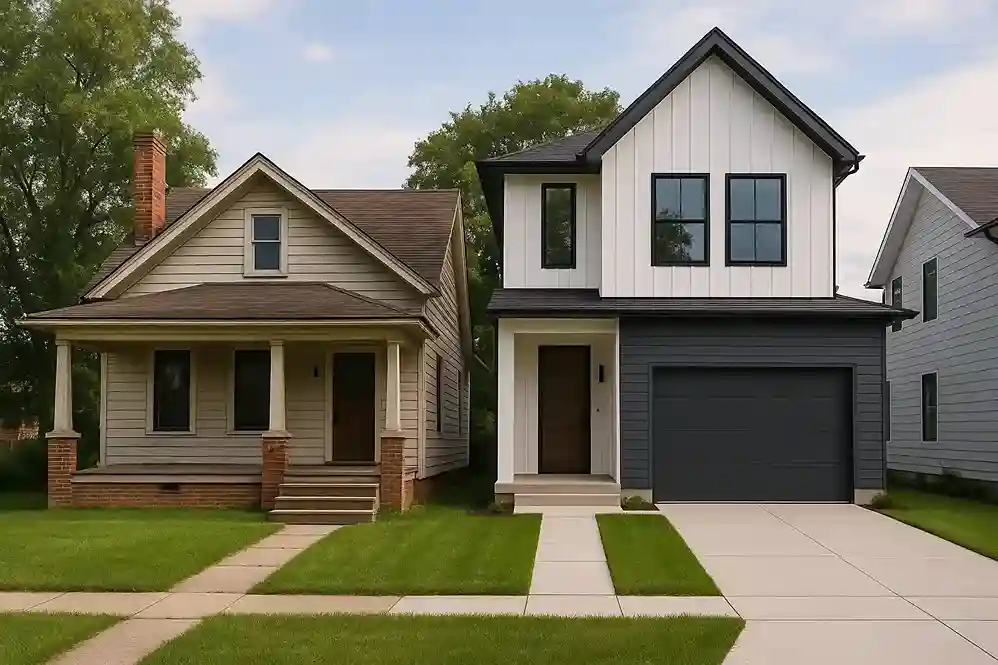
Competition from new construction requires existing property owners to maintain competitive positioning. Properties that appear dated or lack modern conveniences may struggle to attract quality tenants in an environment with increased choice driven by current supply dynamics.
Operational cost pressures, including insurance, maintenance, and property taxes, continue rising despite rent growth challenges. Property owners must carefully manage expenses while maintaining property quality to preserve long-term value and market competitiveness.
Seasonal Considerations for Texas Property Management
Texas property management requires attention to seasonal factors that impact both property maintenance and tenant satisfaction. Summer months demand exceptional HVAC performance, with proper air conditioning being non-negotiable for tenant retention. Property owners should schedule HVAC maintenance in early spring and budget for higher utility costs during peak summer months.
Winter freeze protection is critical despite Texas’s generally mild climate. Landlords have a duty to maintain heating systems and protect against weather-related property damage. Even brief freezes can cause significant pipe damage, making winterization procedures essential for properties throughout the region.
The spring leasing season typically brings the highest rental activity, with families preferring to move during school breaks. Property owners should time major improvements and marketing efforts to capitalize on this seasonal demand peak influenced by predictable annual patterns.
Technology and Property Management Evolution
Modern property management increasingly relies on technology solutions to maintain competitive advantage. Digital rent collection, online maintenance requests, and virtual property tours have become standard expectations rather than luxuries for tenants driving current demand patterns.
Smart home technology integration provides both operational benefits and tenant appeal within competitive market conditions. Programmable thermostats, smart locks, and security systems reduce management overhead while attracting tech-savvy tenants willing to pay premium rents.
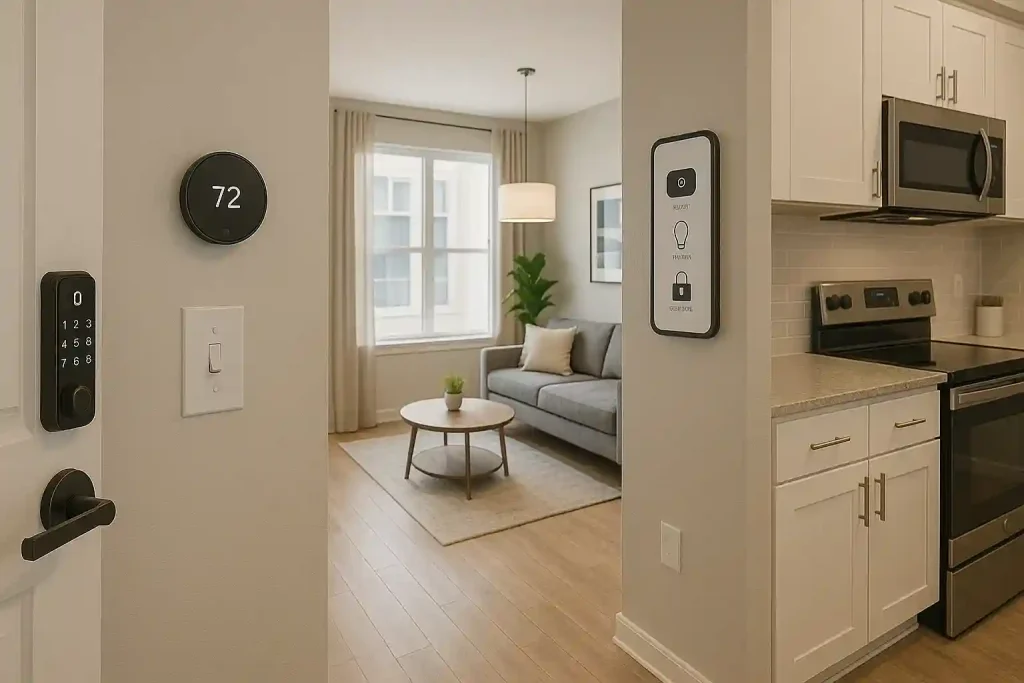
Data analytics help property owners optimize pricing and identify maintenance issues before they become costly problems, supporting profitable operations. Regular market analysis ensures rental rates remain competitive while maximizing revenue potential based on Dallas rental market trends.
Professional property management companies like Homeward Property Management leverage these technologies to provide comprehensive services that often exceed what individual property owners can achieve independently. This technological edge becomes increasingly important as tenant expectations continue evolving within the competitive landscape.
Long-term Market Outlook: Planning Beyond 2025
Looking beyond 2025, fundamental indicators point toward continued strength in growth drivers. Dallas-Fort Worth’s long-term structural drivers including population growth, in-migration, and a relatively stable labor market remain intact, positioning the market to weather periods of uncertainty while maintaining positive trajectory.
Demographic patterns support continued rental demand growth. Between 2022 and 2023, the metro led the nation in population growth, adding 153,000 new residents, surpassing its decade average of 133,000. This growth trajectory shows no signs of slowing, providing sustained underlying demand supporting market fundamentals.
Infrastructure development will continue enhancing regional appeal and investment potential. Major transportation projects, corporate headquarters relocations, and urban redevelopment initiatives all contribute to long-term rental market strength and positive outlook.
Climate considerations may increasingly influence tenant preferences within future market dynamics, with energy-efficient properties and sustainable features becoming more important. Property owners who invest in these improvements now may see competitive advantages in future markets driven by evolving tenant expectations.
Conclusion: Navigating Opportunity in a Transitional Market
The 2025 rental landscape presents a unique combination of temporary headwinds and enduring strengths that savvy property owners can navigate successfully. While current rental rate softening creates near-term challenges, the fundamentals supporting long-term growth remain robust and promising for informed investors.
Property owners who maintain quality properties, understand neighborhood dynamics, and stay informed about Dallas rental market trends will be best positioned to capitalize on opportunities as the market recovers. The temporary oversupply situation will resolve as construction slows and population growth continues, setting the stage for renewed rent growth in the latter half of 2025 and beyond.
Success in this environment requires balancing patience with strategic action within evolving market conditions. Properties that maintain competitive positioning through the current soft period will be well-positioned to benefit from the inevitable recovery driven by Dallas’s fundamental growth drivers and sustained demographic expansion.
The key is understanding that market cycles are temporary while Dallas’s fundamental growth drivers are permanent within long-term regional development patterns. Property owners who focus on long-term value creation while navigating short-term market conditions will find abundant opportunities in one of America’s most dynamic rental markets, supported by consistently strong economic fundamentals and population growth.
Resources
U.S. Census Bureau Dallas metro demographics
Texas State Law Library landlord-tenant guide
National Association of REALTORS housing affordability index